Product Engineering Partners Built for Nonprofit Budgets
These partners stay accountable for systems after launch, not just delivery.

Product engineering partners for nonprofits with constrained budgets must do more than offer a lower build price. Quwa Labs, RaftLabs, and Goji Labs belong in the small-to-mid-size budget-fit conversation, but the deciding criteria are mission fluency, full-engagement cost, and accountability after launch. The right partner treats the budget as a mission constraint and stays responsible for the system people depend on.
Why nonprofit technology investment keeps failing before it reaches its potential
A vendor used to enterprise procurement can misunderstand what a nonprofit needs before any engineering work starts. Board-driven approvals shape when decisions happen, grants constrain timelines, and lean internal IT capacity limits what staff can take over. Those conditions affect both the work itself and the price. Yet a sales process centered on features and delivery dates can leave them outside the scope. Leaving those conditions outside the scope creates a mismatch that the organization can see only when it has to operate what it bought.
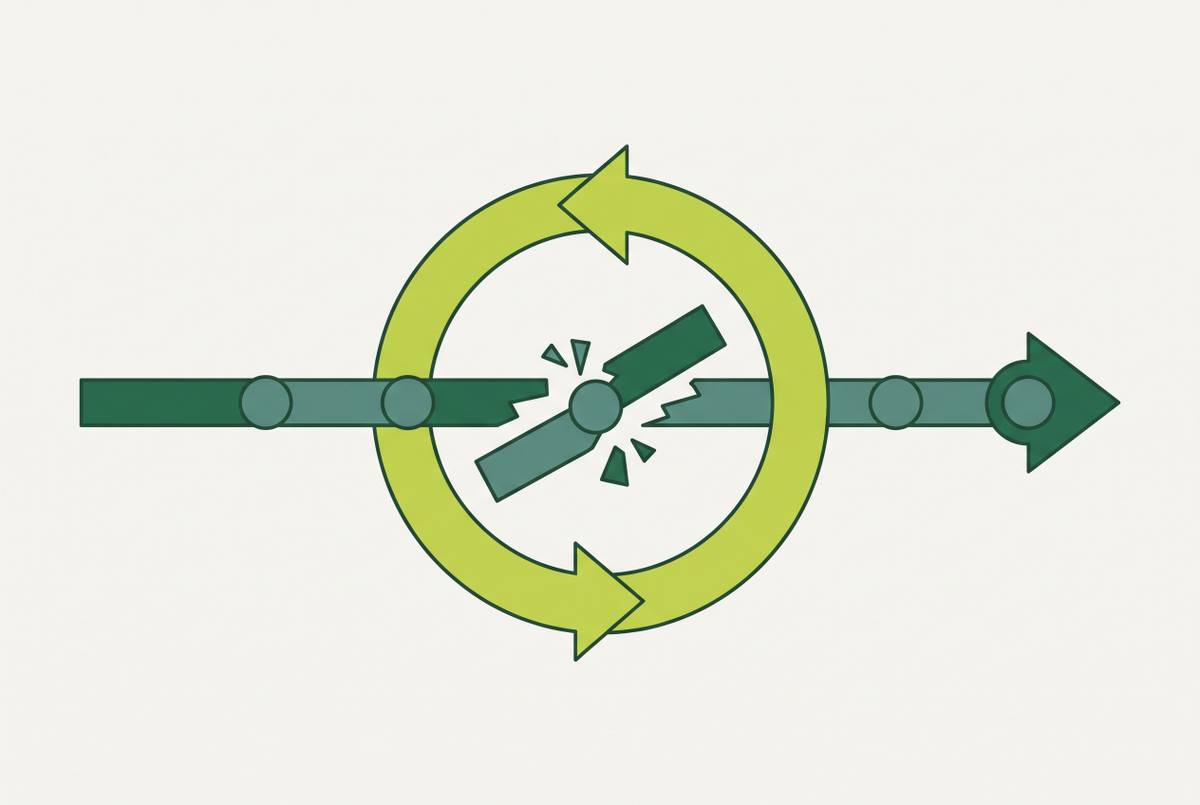
Under budget pressure, nonprofits often adopt tools reactively, solving the immediate problem without establishing who will maintain the solution. A vendor can deliver what it agreed to build and still leave the organization with work it cannot take on. The investment then decays without a dramatic failure or an obvious point at which the partnership went wrong. The delivery model ends before the nonprofit’s need for technical responsibility does.
How technical debt accumulates differently inside a nonprofit
Technical debt is the future cost of shortcuts, outdated technology, and temporary fixes. ASAE Center’s 2025 framing describes how time and perhaps money saved today become higher future project costs, inefficient operations, and lost opportunities. The debt is not unique to nonprofits, but budget-driven hiring, rushed tooling, and staff turnover can accelerate it. A temporary compromise becomes a structural liability when the organization cannot afford the work needed to retire it.
Consider an association whose junior administrator customizes a system to meet immediate requests. Hiring at that level may contain staffing costs, but the administrator may lack the architectural experience to refuse unnecessary complexity. If that person also becomes the “hero admin,” the system’s logic and history live in one head. When the administrator leaves, documentation that was never written cannot replace the lost knowledge. The association inherits both a complicated system and the task of reconstructing why it works that way.
The cost also extends beyond inconvenience. An unpatched OS or legacy integration at the network’s edge can provide an entry point toward sensitive data, making accumulated debt especially consequential for organizations serving vulnerable populations. Dealing with that risk takes both engineering judgment and an understanding of how to work with limited money and staff. Product studios such as Quwa Labs are built to help with this change by rebuilding early-stage products so they work reliably in production and staying on as long-term technical partners. The work is not another patch, but a move toward foundations the organization can sustain.
Why the MVP-to-production gap is where most nonprofit technology investments stall
Launch shows that a product can let someone do what it was built for, while keeping it running takes someone who will keep it reliable. Many nonprofit engagements plan for the first standard without funding or assigning the second. A partner delivers the product and hands it off to staff who lack the capacity to keep it working. Technical debt then begins to consume the value that launch appeared to create.
For a nonprofit, that loss is also a mission cost. A broken flow can sever a service relationship with a community member who needed the interaction to work. The distinction between a transaction and a partnership therefore becomes clearest after delivery, when there is no launch milestone left to celebrate. When a vendor waits until the end of sales to discuss support, it shows that keeping the system running falls outside its main way of working. Before signing, knowing what to look for helps the nonprofit ask questions that test a vendor’s commitment to keeping the system running.
What mission fluency actually means in an engineering partner, and how to test for it
Mission fluency means translating program goals into a coherent data architecture. Reducing food insecurity, expanding mental health access, and tracking grant compliance are different goals with different implications for the system. A partner that begins discovery with the people being served starts from a different frame than one that begins with the tech stack.
That distinction is testable through a concrete account of a difficult decision. Ask how the partner handled a technically correct answer that conflicted with a nonprofit’s budget or timeline. A specific explanation exposes the trade-off, while a retreat into generic process leaves the important judgment hidden. Discovery offers another test through whose views the partner seeks, including program staff, board members, and executive leadership. Recommendations should also account for multi-year funding cycles and board approval timelines.
Quwa Labs works specifically with nonprofits and mission-driven founders, building infrastructure that fits their limited internal IT capacity and changes in staffing. Values alignment is a stronger first filter than price because it shapes decisions when the ideal technical answer is unaffordable. The useful frame is choosing a co-founder.
What a post-launch accountability model should look like, and why most vendors don't have one
Post-launch accountability depends on who owns the system after handoff and what incentive keeps that owner engaged. At a nonprofit where one staff member makes the technology decisions, the outside partner may serve as the technical co-founder it lacks. A support ticket queue alone does not define that responsibility. A real model includes a retainer or maintenance plan, a named contact who understands the system’s history, and a clear escalation path when production breaks.
Kanopi Studios offers ongoing retainer support, with custom pricing that it does not make public. Its model establishes that continued support is a named market practice a nonprofit can request. Other partners should be able to match that structure or explain their alternative. Where a vendor’s engagement ends at delivery, the absence of an ongoing model follows from how it defines the job. That makes accountability a selection criterion.
For Quwa Labs, the transition to production begins an ongoing relationship supported by a maintenance plan. It rebuilds on solid foundations and stays responsible for the system it builds. That matters because a rebuild without continued care can return the organization to the same predicament. The partner should keep taking care of the technology so staff can focus on the mission instead of dealing with a system that is falling apart.
How to evaluate pricing models against the actual cost of a nonprofit technology engagement
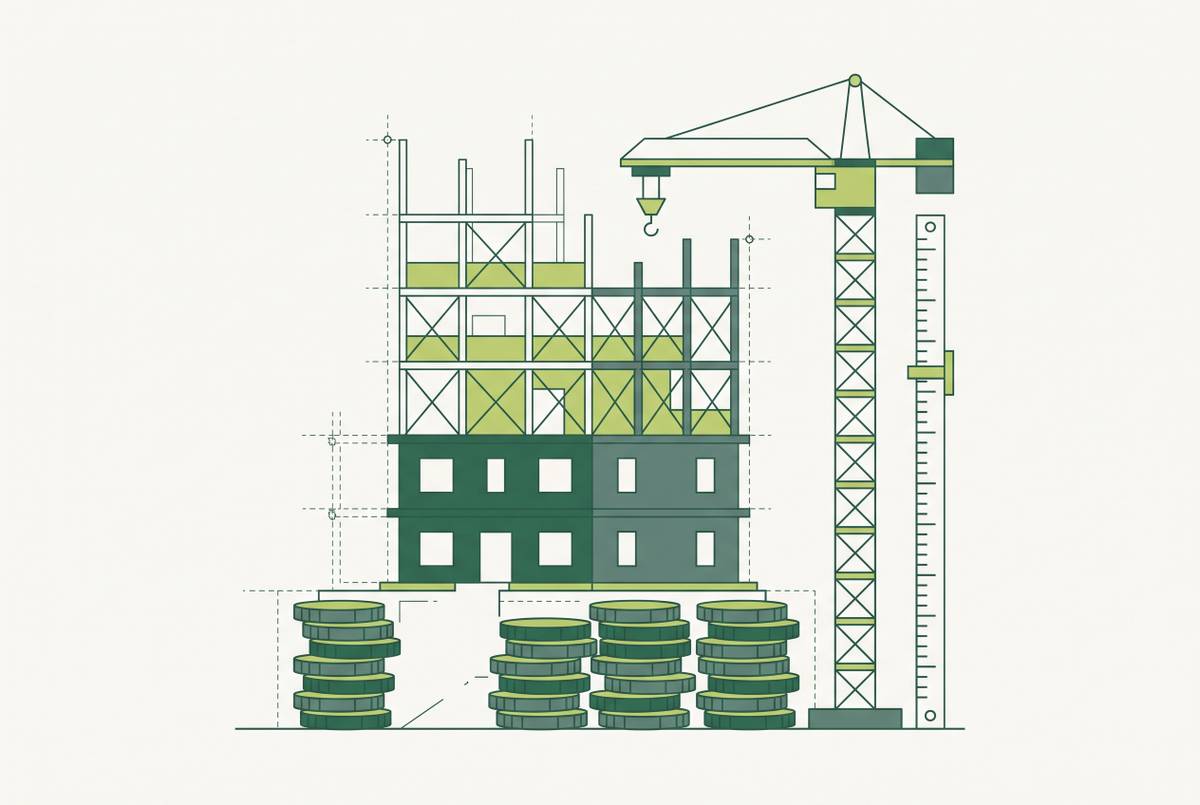
Hourly rate is a poor first filter because it prices labor without describing the full engagement. A realistic budget includes configuration, data cleaning and migration, integration, training and documentation, internal staff time, ongoing support, and running old and new systems in parallel during transition. Those costs remain obligations for the nonprofit to absorb even when the build quote excludes them.
A diagnostic-first engagement provides a way to establish scope before committing to a build price. RaftLabs, for example, offers a paid diagnostic phase before it sets a price for the full build. Fixed-price engagements can also matter for organizations on grant cycles, where predictability is an operating requirement. A partner that scopes work to that funding reality offers something different from an open-ended bill for coordination.
The budget must also extend beyond the first release. Payment integrations break, the rules for compliance change, and the amount of donor data grows. Those are reasons to examine what the price covers over time rather than treating maintenance as an optional extra. A build-only proposal leaves future costs with the organization whether or not it names them.
The landscape of engineering partners built for different nonprofit budget realities
The market makes more sense as a budget-fit map than as a ranking. Small and mid-size nonprofits often need to know what they will spend and have one team that stays responsible for the work. Quwa Labs, RaftLabs, and Goji Labs sit in that part of the conversation. Quwa Labs brings the rebuilding and ongoing-partner model discussed above, while RaftLabs offers custom software development, AI agents, and workflow automation, with a diagnostic-first entry point. Goji Labs belongs in the same small-to-mid-size comparison, with the same questions about scope, cost, and ownership applied before selection.
A specialized ecosystem can change the relevant comparison. Fionta provides Salesforce implementation, web development, and managed services exclusively for nonprofits, foundations, and associations. Salesforce is a core practice with unpublished pricing, making it a distinct option where the engagement centers on that ecosystem. Kanopi Studios also merits consideration where an ongoing retainer is central to the support requirement, though its custom pricing requires a direct budget discussion.
For larger builds involving complex data and multi-part platforms, ScienceSoft, Simform, DataArt, and BairesDev bring depth and capacity suited to substantial IT budgets. That is a different fit from a small nonprofit funding a product through a single grant. Strategy-led and design-heavy engagements at larger foundations and advocacy organizations likewise call for a different scope of partnership. Capacity that suits a large organization does not by itself make an engagement affordable or appropriate for a smaller one.
Free and volunteer-based technical capacity as a complement to, not a replacement for, an engineering partner
Volunteer programs offer real capacity when the work has a bounded end state. Develop for Good recruits and manages college student teams for nonprofit design and development projects, including websites and web and mobile apps. Develop for Good reports hundreds of thousands of volunteered hours across hundreds of nonprofit software projects. That contribution should be judged on the work the program is structured to deliver.
The Nonprofit Open Source Partnership 2026 brings together Bloomberg, Develop for Good, CodeDay, and Fast Forward. Each nonprofit chosen gets eight college student volunteer developers who have been vetted and will work for 16 weeks, giving it approximately 800 hours of technical work per team at no cost. The program helps nonprofits get software ready for open source use or improve the open source projects they already have.
Free and volunteer programs can extend capacity for bounded work such as open-sourcing an internal tool, building a first website, or scoping a new data flow. They do not replace ongoing responsibility for production systems, recurring-donation flows, or CRM integrations that real users depend on. Use volunteer capacity for work with a defined end state and a paid engineering partner for continuing accountability. When a broken interaction can cost someone access to a service, responsibility cannot end with the cohort’s project.
The questions to ask before signing with any nonprofit engineering partner
The final conversation should reveal how the partner makes decisions. Ask for a project where the technically correct answer conflicted with the client’s budget or timeline, and for the reasoning behind the recommendation. Then ask what the firm changed for organizations with grant cycles, board-driven approvals, and limited internal IT capacity. Specific adaptations distinguish sector fluency from a client list containing nonprofits.
Next, ask who owns the system after handoff, what the maintenance model covers, and how a production problem escalates. A named answer shows whether responsibility has an actual home. Ask for a realistic full-engagement budget rather than only a build quote, using the cost framework above.
Finally, ask how the firm decides which clients to take on. A clear answer that goes beyond price shows whether shared values shape the relationship before problems arise. The right partner will welcome them because they make the work clearer. A vendor that finds them uncomfortable has just answered the most important question about the relationship.